The Relic First Guardian Sealing Stones & Events
How Event Trails, folklore chapters, and Sealstones turn exploration into dungeons and Relic Energy.
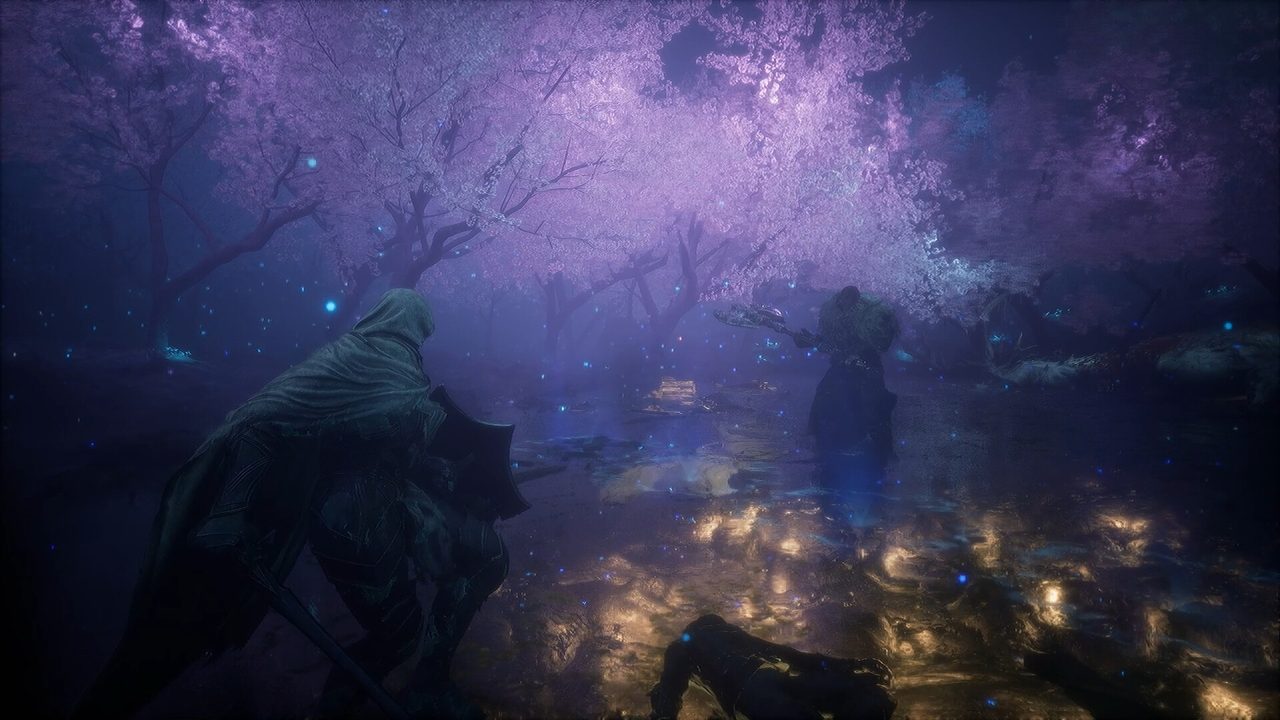
Sealing Stones (also called Sealstones in store copy) are one of the clearest progression loops in The Relic: First Guardian. Instead of a glowing quest compass, you follow short Event Trails — often inspired by Korean folktales — finish their chapters, earn a Sealing Stone, and unlock that event’s dungeon. Along the way you collect Relic Energy (Ancient Relic Energy in hands-on previews) to power weapon skill trees. This guide explains how that loop works so launch week exploration feels intentional.
Watch the official exploration trailer embedded above, then pair this page with the world and map guide and Relics and builds.
The exploration → story → reward loop
Project Cloud Games has stated the intended flow is exploration, discovery, story, reward, and boss battle. Field pages, wooden-slab chapters, and environmental traces are not optional flavor — they are how dungeons and Sealing Stones appear.
A showcase example follows a former woodcutter’s tale across six short chapters, including a stop at the Pond of Mighty Greed (greed for a golden axe, villagers who wait and waste their lives). Completing the final chapter grants a Sealing Stone that opens the event’s dungeon. Treat every quiet pond, ruined shrine, and abandoned camp as a potential Event Trail start.
What a Sealing Stone actually does
Coverage describes Sealing Stones as keys that unlock event-specific dungeons packed with mysteries, materials, and sometimes boss conclusions. They are distinct from the broader Relic / Sealstone passives you socket for combat identity — though store language sometimes uses Sealstone for both memory-passives and these dungeon keys. On this wiki:
- Sealing Stone / event Sealstone — unlocks an Event Trail dungeon
- Relic / combat Sealstone — passive memory you equip (see Relics and builds and the pre-order Sealstone)
When in doubt, ask: did this reward open a door, or did it change a skill passive?
Relic Energy altars
Hands-on previews (including Dualshockers) describe blue-glowing altars — sometimes hidden in optional caves — that grant Ancient Relic Energy. That resource feeds the twelve weapon skill trees. Missing an altar is missing permanent power, not just lore. Exploration tip: after every Event Trail chapter, sweep the radius for side caves before you sprint to the next road.
Skill-tree note from previews: you often need to unlock top nodes first to reach stronger skills and character buffs. Commit to one weapon family early so Energy spending is not scattered — see the weapons tier list.
Field events beyond the woodcutter
The June 26 exploration showcase and developer interviews emphasize variety across Arsiltus: mist forests, humid swamps, evening plains, starlit zones, ruined kingdoms, mines, fortresses, sanctuaries, corrupted villages, and ancient ruins. Enemies in each zone — raiders, fallen knights, humans consumed by madness, ecology-tied beings — are meant to teach the region’s history, not just block the road.
Practical habits:
- Read every wooden slab / field page before leaving the area
- Finish Event Trail chapters in order when the showcase structure appears
- Claim the Sealing Stone, then enter the dungeon while the story is fresh
- Bank Relic Energy into your main weapon tree at the next Tibelle’s Blessing
- Note optional bosses that sit at the end of side stories — Brutals guide
Folklore without copy-paste myths
Developers say many side stories remix Korean legends rather than recreating them one-to-one. Expect greed, regret, sacrifice, and obsession motifs — the Pond of Mighty Greed is the public teaching example. Reading tone matters: you are not a shining savior collecting checkmarks; you are walking through other people’s unfinished endings.
How this connects to pre-order content
The Night of the Unextinguished Flame pack includes Sanctuary of the Forgotten Light and a unique Sealstone of the Undying Ember. Treat the Sanctuary as a guided early dungeon; treat the Ember Sealstone as a combat Relic, not an Event Trail key, unless your build’s UI labels it otherwise after launch.
Launch-week priority order
With the game launching July 31, 2026, use this order on evening one:
- Getting Started — Tibelle’s Blessing and Breath of Esser
- Complete your first Event Trail and claim a Sealing Stone
- Spend Relic Energy on one weapon tree only
- Clear the unlocked dungeon before chasing a second trail
- Review combat stamina rules before your first wall Brutal
Related pages
Follow the traces. The dungeon is the punctuation mark at the end of someone else’s sentence — and the Sealing Stone is how Arsiltus lets you turn the page.
Frequently Asked Questions
Quick answers to the most common questions.
What are Sealing Stones in The Relic: First Guardian?
Rewards from completing Event Trails that unlock that event’s dungeon. They sit at the end of short story chapters shown in the official exploration trailer.
What is Relic Energy used for?
Ancient Relic Energy found at altars and exploration rewards fuels weapon skill trees. See [Relics and builds](/guides/relics-and-builds/).
Is the Pond of Mighty Greed a real location?
It appears in the official exploration showcase as part of a multi-chapter Event Trail about greed and a golden axe motif.
Do I need Sealing Stones for the main story?
Event dungeons are a core exploration reward loop. Expect them to gate side progress and power — follow [world navigation](/guides/world-and-map/) if a road feels locked.